
Market Research Services
JWB Research provides senior-led market research and customer insight for brands, agencies and organisations that need to understand their audiences and make stronger decisions.
The work can support early strategy, brand development, advertising and creative testing, customer experience improvement, proposition development, behaviour change, event evaluation and campaign learning.
Every project is designed around the decision you need to make. That might mean qualitative research, quantitative surveys, customer closeness, workshops, diaries, observation, accompanied journeys or a mixed-method approach.
The method matters. But the value comes from asking the right questions, interpreting the answers properly, and turning the insight into clear direction.
Methods Include:
Depth interviews
Focus groups
Online communities
Video diaries
Customer closeness and immersion
Accompanied journeys and observation
Quantitative surveys
Message and creative testing
Brand tracking
Co-creation workshops
Stakeholder workshops
Campaign and event evaluation
The right method depends on the audience, the decision, the timings and the level of confidence needed.
Brand Research
-
![]()
Brand diagnosis and audits
Understand where your brand sits now, how it is perceived, what people associate with it and where there may be gaps between internal ambition and external reality.
-
![]()
Brand positioning and proposition
Explore what makes your brand relevant, credible and distinctive, and identify the strongest territory for future growth.
-
![]()
Audience targeting and segmentation
Understand who matters most, what motivates them, what creates barriers and how different audience groups need to be reached.
-
![]()
Brand tracking
Measure awareness, salience, consideration, perceptions, preference and brand health over time, so you can understand what is changing and why.
-
![]()
Brand codes and communications
Explore which visual, verbal and experiential cues help people recognise, understand and remember your brand.
-
![]()
Brand strategy workshops
Bring insight into the room with clients, agencies and stakeholders, so the research can directly shape decisions.

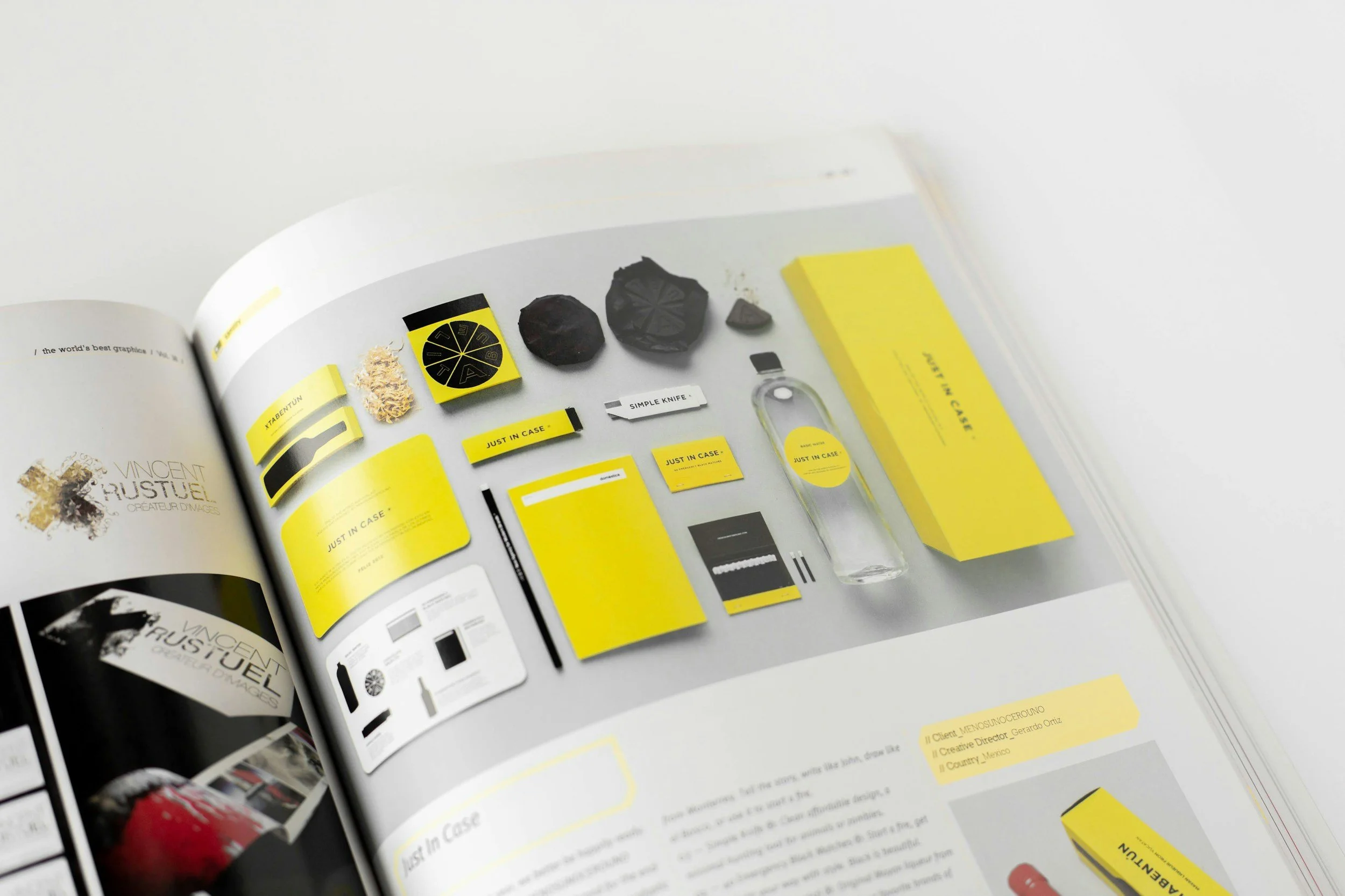




Advertising Research & Creative Testing
The CLEAR Advertising Research Framework is JWB Research’s flexible 5-stage process for helping teams make better advertising decisions before, during and after campaign development.
Not every project needs every stage. Some clients need early audience understanding before briefing an agency. Others need to refine creative routes, test messages or understand what a live campaign is actually driving.
The 5-stage CLEAR advertising research framework:
Stage 1. Audience understanding
Understand the audience, category context, motivations, barriers and decision journey before creative development starts.
Stage 2. Ideation and co-creation
Participants come together with the creative team to bring insight to life and develop ideas. Our clients love to get involved in this stage too, joining the ideation or co-creation sessions to work with their audience to get the creative off to the right start.
Stage 3. Creative refinement
Diagnose what is working, what is confusing, what is memorable, and what would make the creative stronger.
Stage 4. Pre-launch creative testing
Testing creative against the objectives, or metrics to understand which route/message/execution will have the most success.
Stage 5. Live ad learning and tracking
Evaluate what cuts through in-market, what people take out, what action it drives and what should be improved next.

Event and Sponsorship Research
Events and sponsorships create powerful opportunities for brands and venues to connect with audiences in a meaningful way. The value needs to be measured beyond attendance.
What research can measure:
Audience experience
Understand who attends, what they experience, what they value and what could make the event or sponsorship work harder.
Brand impact
Measure awareness, association, relevance, consideration, trust, advocacy and changes in perception linked to the event or sponsorship activity.
Economic impact
Estimate the wider value created by measuring visitor spend, length of stay, additional trips, local business benefit and the proportion of activity driven by the event.
Behaviour and intent
Explore whether the experience drives future visits, purchases, recommendations, sign-ups, enquiries or deeper engagement.
Partner value
Provide evidence for partners, sponsors, funders and local stakeholders on what the activity delivered and where future value could be strengthened.

Consumer, Shopper and Visitor Research:
Customer, shopper and visitor research helps brands and businesses understand how people choose, buy, visit, experience and engage.
JWB Research works with brands, retailers, shopping and leisure destinations to understand audience behaviour, decision-making, motivations, barriers and opportunities for growth.
This research is particularly useful when you need to improve marketing, customer experience, store or venue performance, product range, communications, conversion or loyalty.
What it explores:
Decision journeys
Understand how people move from awareness to consideration, visit, purchase, repeat purchase or recommendation.
Purchase and visit drivers
Identify what motivates action, what creates hesitation and what matters most at key decision points.
Barriers and friction
Understand what stops people engaging, visiting, buying, switching, returning or recommending.
Audience segments
Explore how needs, attitudes and behaviours differ across customer groups, life stages, locations or value segments.
Channels and touchpoints
Understand the role of online, in-store, social, search, advertising, word of mouth and physical experience in shaping decisions.
Opportunities for growth
Turn customer understanding into practical direction for marketing, service, experience, range, communications or proposition development.
Social Marketing & Behaviour Change Research
Behaviour change is rarely just about telling people what to do. To influence behaviour, you first need to understand what people currently do, why they do it, what gets in the way and what would make change feel possible, relevant and worthwhile.
JWB Research helps public-sector, health, transport, community and purpose-led organisations develop insight-led social marketing and behaviour change strategies.
Research can support campaign planning, message development, intervention design, service improvement and evaluation.
Research Stages of Social Marketing:
-
![]()
Understanding the need for behaviour change
Explore current behaviours, motivations, barriers, social norms and practical constraints and emotional drivers.
-
![]()
Diagnose what needs to change
Use behavioural frameworks such as COM-B or nudge theory to identify what is preventing action and where intervention has the best chance of success.
-
![]()
Develop the strategy
Turn insight into clear direction for channels, messaging, interventions services or communications.
-
![]()
Test and refine
Explore whether messages, materials or interventions are clear, credible, motivating and inclusive before launch.
-
![]()
Monitor and evaluate
Measure what works, what does not, and what can be improved.




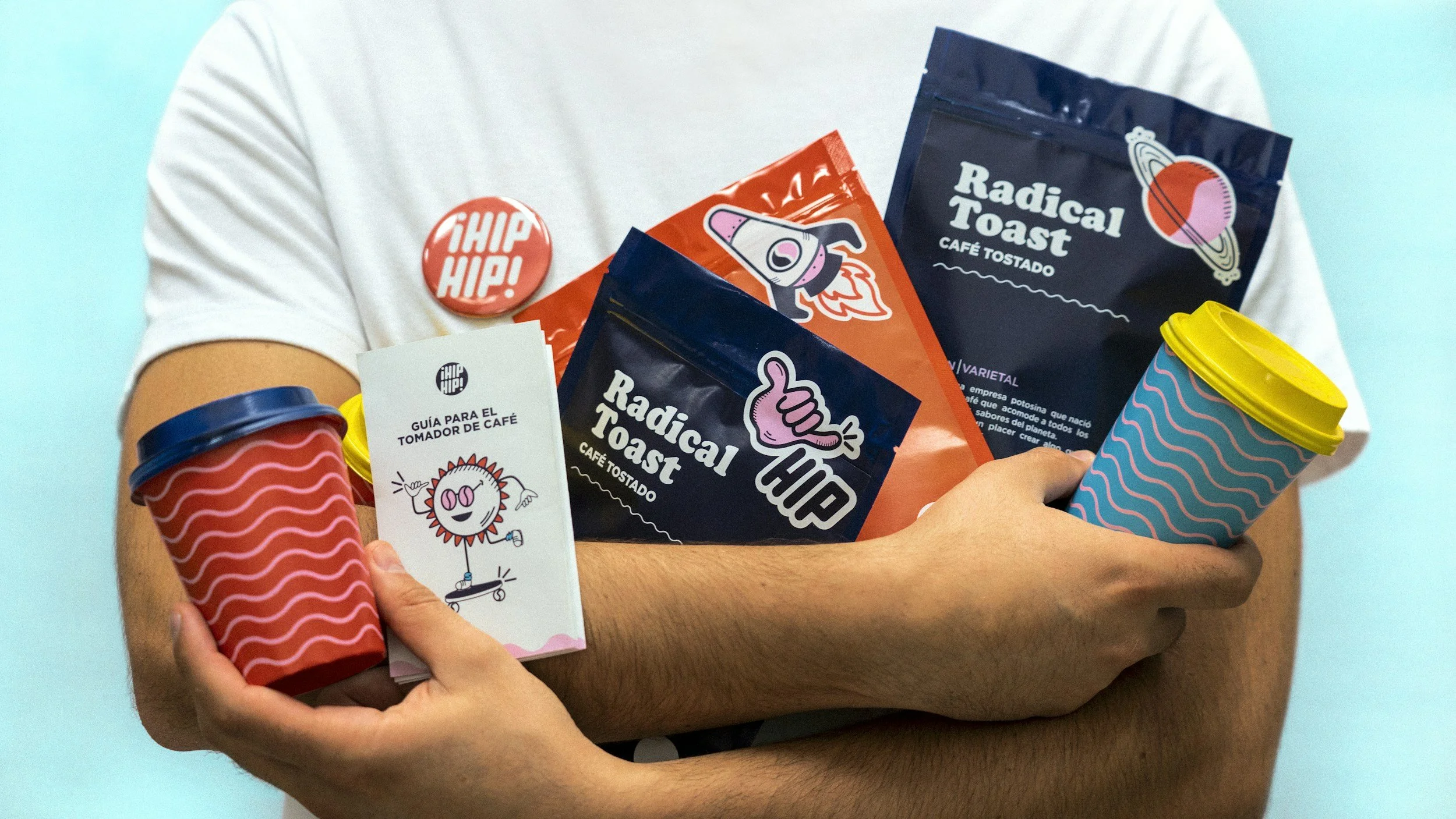
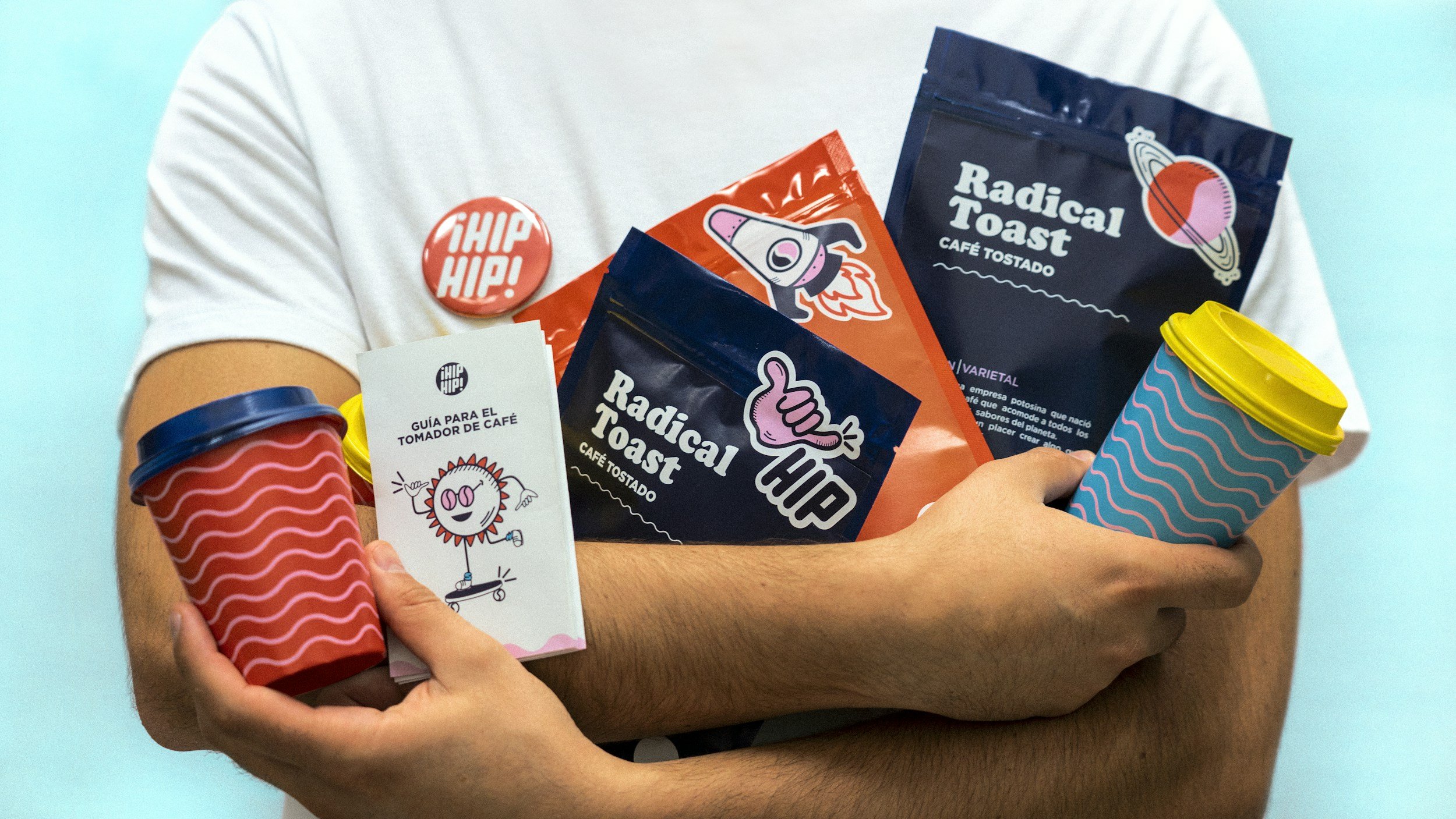
New Product and Packaging Research
New product and packaging decisions are expensive to get wrong. Research helps you understand what people notice, understand, value, question and reject before you commit to launch.
JWB Research helps brands develop, test and refine new product ideas, services, packaging, claims and propositions by getting close to real audience response.
This can support early idea generation, concept development, packaging optimisation, message testing, pricing, range development and launch planning.
What it can help with:
Opportunity exploration:
Understand category behaviours, unmet needs, usage occasions, pain points and gaps in the market.
Concept development:
Explore which ideas feel relevant, credible, different and worth paying attention to.
Packaging research:
Understand shelf standout, comprehension, appeal, navigation, claims, design cues and purchase motivation.
Claims and messaging:
Test whether product claims are clear, believable and persuasive, and identify where language needs simplifying or strengthening.
Price and value perception:
Explore how people interpret price, value, quality and willingness to pay.
Launch refinement:
Identify what needs to change before launch and what will help the product or packaging work harder in market.
Useful articles

A Good Research Brief Starts With the Business Question, Not the Method
A guide to writing a research brief so that the research understand exactly what is needed.